Munsyari sits at 2,200 metres in the Kumaon Himalayas, and the experience changes dramatically with the seasons. From snow-covered winters to flower-filled meadows in spring, each season offers a different version of this mountain paradise.
Here's our complete guide to choosing the best time to visit Munsyari, based on what you want to experience.
Quick Answer
| Season | Months | Best For | Temperature Range |
|---|---|---|---|
| Spring | March - April | Rhododendron blooms, clear views | 5°C to 20°C |
| Summer | May - June | Trekking, family holidays | 10°C to 25°C |
| Monsoon | July - September | Budget travel, lush landscapes | 12°C to 20°C |
| Autumn | October - November | Photography, clear skies, best views | 3°C to 18°C |
| Winter | December - February | Snow, solitude, stargazing | -5°C to 10°C |
Spring in Munsyari (March - April)
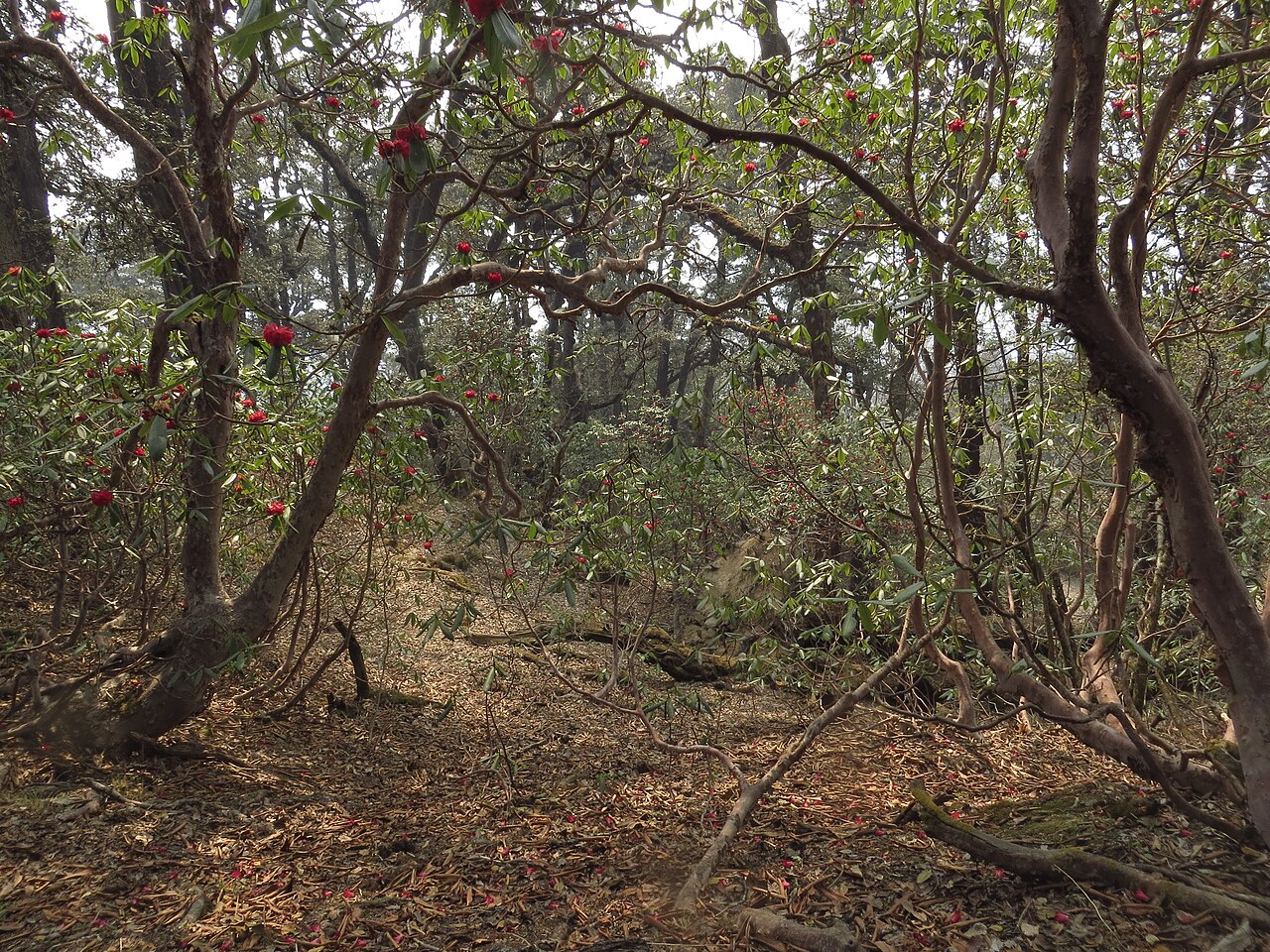
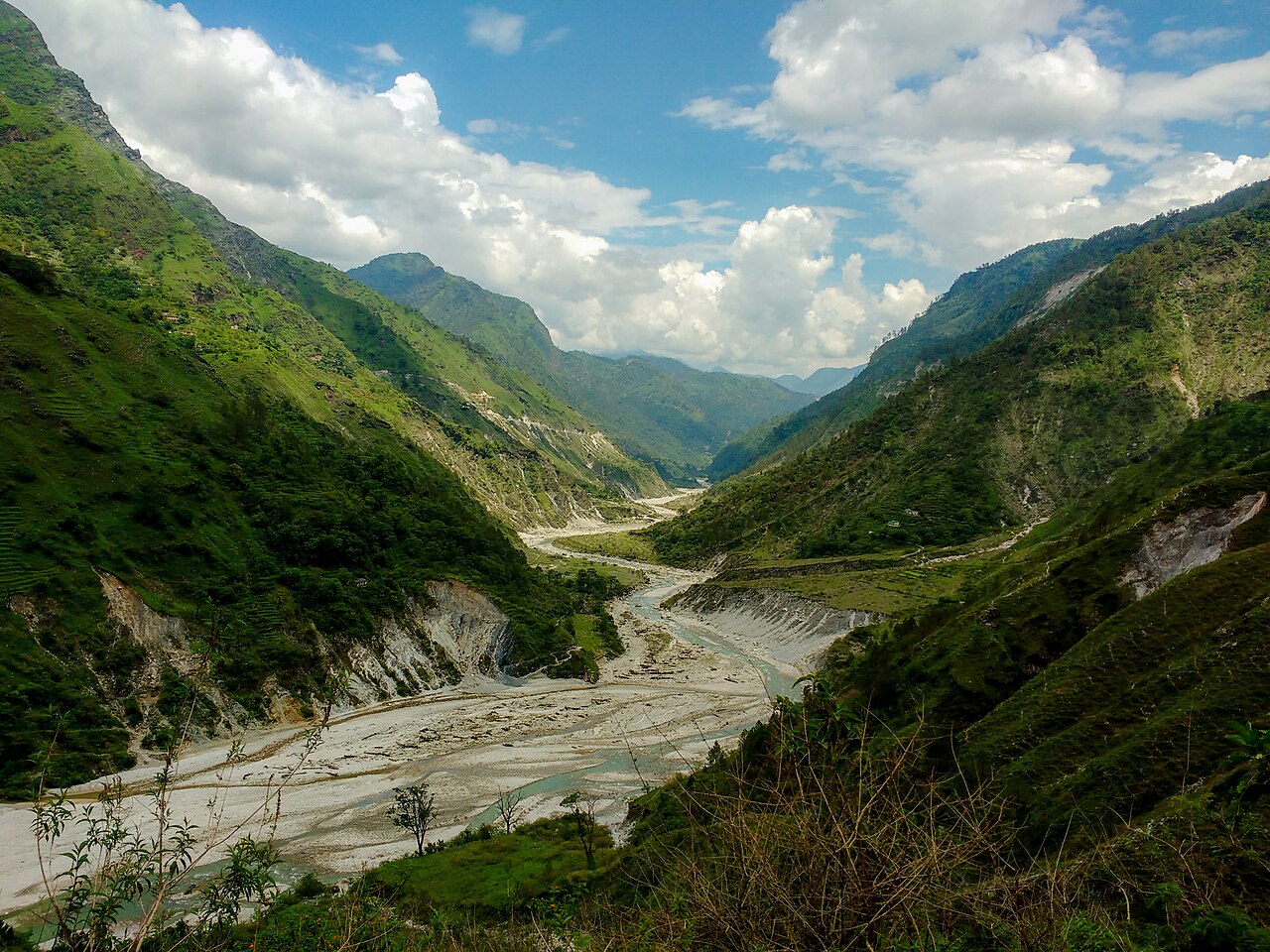
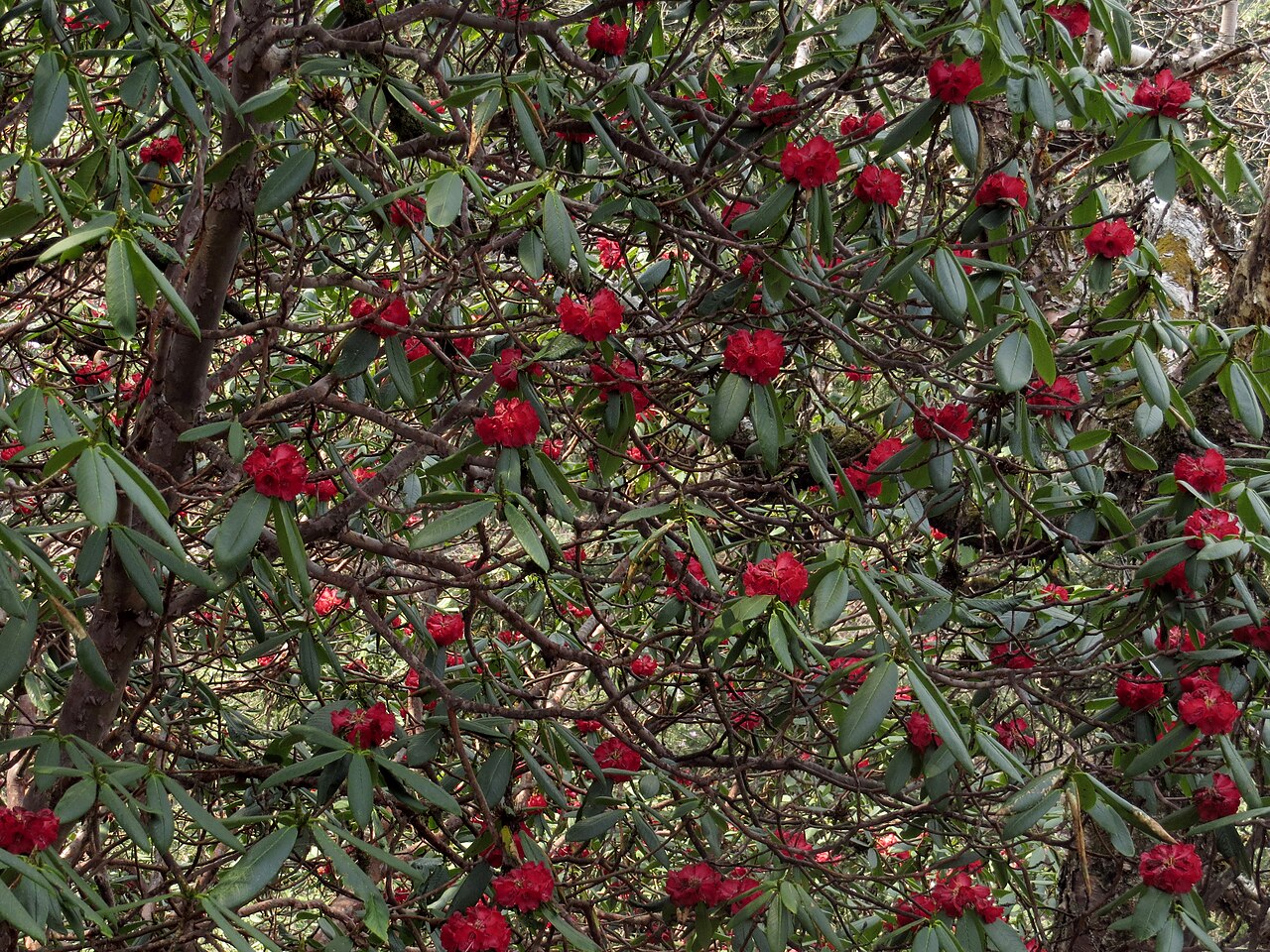
Spring is arguably the most beautiful time to visit Munsyari. The snow begins to melt, the rhododendron forests burst into crimson and pink blooms, and the mountain views are crystal clear after the winter.
What to Expect
- Weather: Pleasant days (15-20°C), chilly nights (5-8°C). Light jacket during the day, warm layers at night.
- Views: Excellent. Post-winter clarity means you'll see the Panchachuli peaks in sharp detail.
- Roads: Usually clear by March. Snow at Kalamuni Pass may persist into early March but is cleared by the PWD.
- Trekking: Lower altitude treks (Khaliya Top) are accessible. Higher treks (Milam Glacier) may still have snow.
- Crowds: Moderate. Not as busy as summer but busier than winter.
The rhododendron forests around Munsyari turn into a sea of red and pink in March and April. It's one of the most spectacular sights in the Kumaon Himalayas.
Summer in Munsyari (May - June)
Summer is the peak tourist season. The weather is perfect for trekking, families are on school holidays, and all routes and treks are open.
What to Expect
- Weather: Warm days (20-25°C), cool nights (10-15°C). Comfortable for all activities.
- Views: Good, though haze can reduce visibility in late June before the monsoon.
- Roads: Fully open and in their best condition.
- Trekking: All treks are accessible — Milam Glacier, Khaliya Top, Ralam Glacier, Namik Glacier.
- Crowds: High. Book accommodation well in advance.
Peak Season Warning
May and June are the busiest months. Hotel rates are at their highest, and rooms at The Aama Palace and other properties fill up weeks in advance. Book early to secure your preferred dates.
Monsoon in Munsyari (July - September)
The monsoon transforms Munsyari into a lush green paradise, but it comes with challenges. Landslides are common, roads can be blocked for days, and mountain views are often obscured by clouds.
What to Expect
- Weather: Cool and humid (12-20°C). Rain is frequent but usually not continuous — you'll get clear spells between showers.
- Views: Unpredictable. When the clouds part, the views are stunning. But you may go days without seeing the peaks.
- Roads: Risky. Landslides between Thal and Munsyari are common. Road closures of 1-3 days are not unusual.
- Trekking: Not recommended. Trails are slippery, and leeches are prevalent on forest paths.
- Crowds: Very low. You'll have Munsyari largely to yourself.
Monsoon Travel Tip
If you do visit during monsoon, carry rain gear, waterproof boots, and a sense of adventure. Keep 2-3 buffer days in your itinerary for road delays. Check road conditions with the local SDM office before departure.
Autumn in Munsyari (October - November)
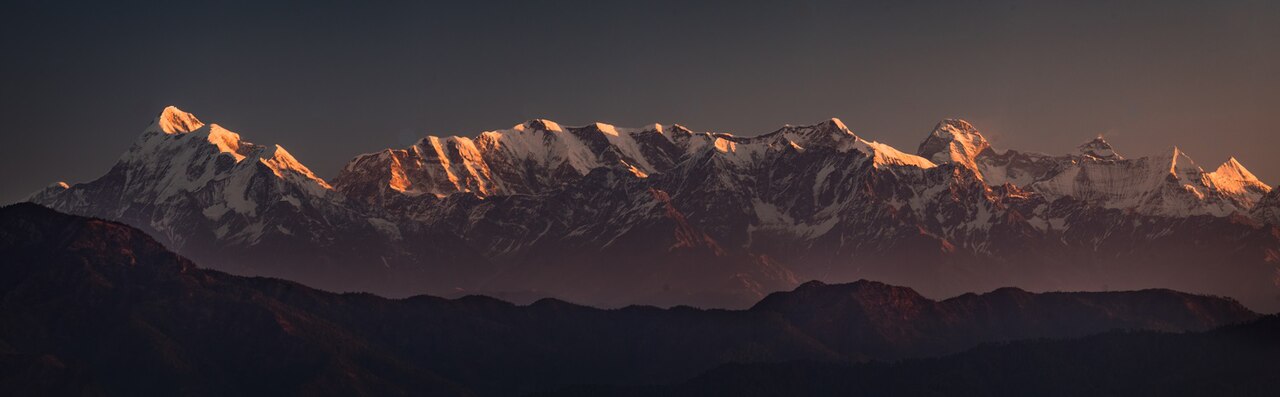
Autumn is the connoisseur's choice. The monsoon has washed the air clean, the skies are deep blue, and the mountain views are at their absolute best. This is the season photographers dream of.
What to Expect
- Weather: Cool days (12-18°C), cold nights (3-8°C). You'll need warm layers.
- Views: Spectacular. The post-monsoon clarity offers the clearest mountain views of the year. Sunrise and sunset on the Panchachuli peaks are unforgettable.
- Roads: Good. Roads are repaired post-monsoon and generally stable.
- Trekking: Excellent conditions. Cool weather, clear trails, and stunning views.
- Crowds: Moderate. Quieter than summer but busier than monsoon.
October is when photographers and serious trekkers visit Munsyari. The air is crystal clear, the light is golden, and the Panchachuli peaks seem close enough to touch.
Winter in Munsyari (December - February)
Winter in Munsyari is for the adventurous. Snow transforms the landscape into a white wonderland, but it comes with significant cold and the risk of road closures.

What to Expect
- Weather: Very cold. Daytime 5-10°C, nighttime -5°C to 2°C. Heavy woolens required.
- Views: When clear, spectacular. Snow-capped Panchachuli against deep blue winter skies. But cloud and fog can obscure views for days.
- Roads: Risky. Snow at Kalamuni Pass (2,600m) can close the road to Munsyari. Check conditions before travelling. The road is typically cleared within 1-2 days of snowfall.
- Trekking: Limited. Khaliya Top and higher treks are snow-covered. Only experienced winter trekkers should attempt these.
- Crowds: Very low. Munsyari is wonderfully quiet in winter.
- Special: Stargazing is exceptional in winter — cold, clear nights with minimal light pollution.
Winter Travel Warning
Always check the Kalamuni Pass road status before travelling in winter. Carry emergency supplies (food, blankets, full tank of fuel) in case of road closures. Temperatures can drop below -5°C at night.
Month-by-Month Summary
| Month | Temp (°C) | Views | Roads | Verdict |
|---|---|---|---|---|
| January | -5 to 8 | Good (when clear) | Snow risk | For snow lovers |
| February | -3 to 10 | Good | Snow risk | Cold but beautiful |
| March | 2 to 15 | Excellent | Usually clear | Highly recommended |
| April | 5 to 18 | Excellent | Clear | Best overall |
| May | 10 to 22 | Good | Clear | Peak season |
| June | 12 to 25 | Good (haze late) | Clear | Peak season |
| July | 12 to 20 | Poor (clouds) | Landslide risk | Avoid if possible |
| August | 12 to 20 | Poor (clouds) | Landslide risk | Avoid if possible |
| September | 10 to 18 | Improving | Recovering | Shoulder season |
| October | 5 to 15 | Spectacular | Good | Highly recommended |
| November | 3 to 12 | Excellent | Good | Highly recommended |
| December | -3 to 8 | Good (when clear) | Snow risk | For the adventurous |
What to Pack by Season
Spring & Autumn (March-April, October-November)
- Light jacket for daytime, warm jacket for evenings
- Trekking shoes with good grip
- Lightweight layers you can add/remove
- Sunscreen and sunglasses (UV is strong at altitude)
Summer (May-June)
- Light clothing for daytime
- Light jacket for cool evenings
- Trekking gear if planning hikes
- Sun protection
Winter (December-February)
- Heavy winter jacket (down jacket recommended)
- Thermal innerwear
- Woolen cap, gloves, thick socks
- Waterproof boots with good grip
- Multiple warm layers
Our Recommendation
If we had to pick the absolute best time to visit Munsyari, we'd say October to November for the clearest views and most comfortable trekking weather, or March to April for the rhododendron blooms and pleasant spring weather.
Whatever season you choose, The Aama Palace offers warm hospitality year-round, with rooms designed for every season — from cosy attic rooms in winter to panoramic suites with mountain-view sit-outs for those golden sunset evenings.
Ready to Visit Munsyari?
Book your stay at The Aama Palace. Panoramic Panchachuli views, authentic Kumaoni cuisine, and 13 intimate rooms at 2,200 metres.
Check Availability